Mon to Sun: 08:00 am to 7:00 pm
Mon to Sun: 08:00 am to 7:00 pm
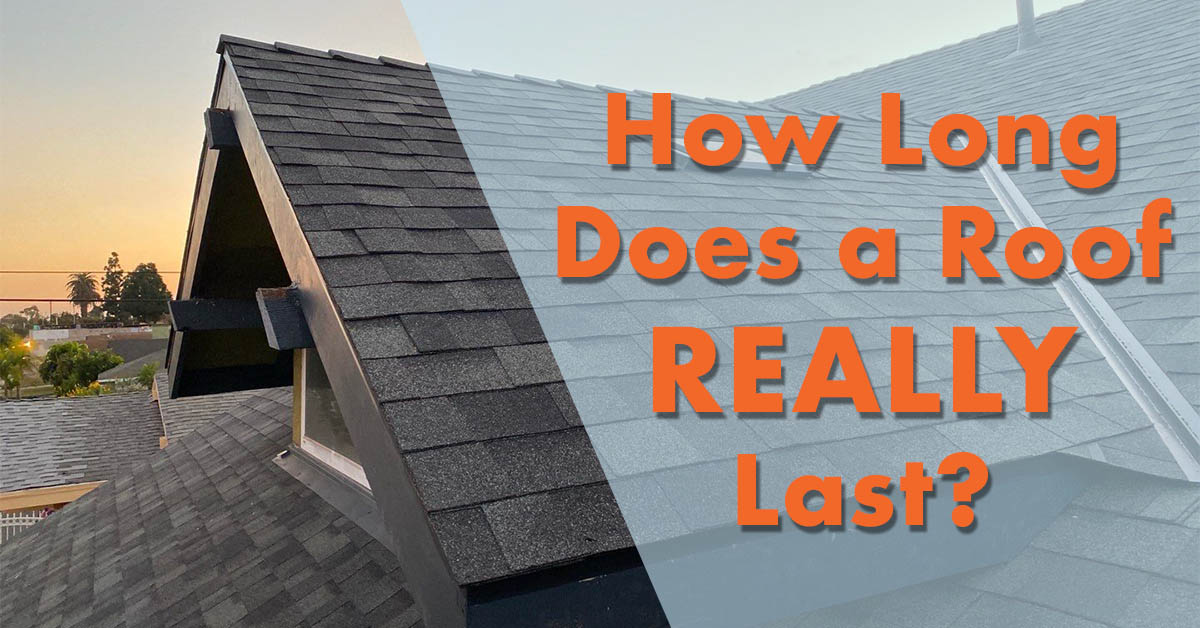
Your roof is one of the most critical components of your home—it protects you from harsh weather, enhances energy efficiency, and contributes to your property’s curb appeal. But like everything else, roofs don’t last forever. Understanding how long a roof lasts and what factors influence its lifespan can help you make informed decisions about repairs, maintenance, and replacements.
At PBTP Roofers, we connect homeowners with trusted local roofing contractors to ensure your roof remains in top condition. Whether you need an inspection, repair, or full replacement, call us at (866) 804-4534 for expert assistance.
Key factors affecting roof longevity
The average lifespan of different roofing materials
Tips to extend your roof’s life
A roof's durability depends on several factors, including material quality, installation, climate, and maintenance.
Not all roofing materials are created equal. High-quality materials last longer and withstand extreme weather better. For example:
Premium asphalt shingles last up to 30 years, while budget options may only last 15.
Copper or steel roofing can exceed 50 years, whereas lower-grade metals may corrode faster.
Investing in high-quality roofing materials ensures better protection and long-term savings.
Even the best materials won't last if installed poorly. Common installation mistakes include:
Improper flashing around chimneys and vents
Incorrect nailing techniques (too few or overdriven nails)
Poor ventilation leading to moisture buildup
Always hire licensed and experienced roofing contractors (like the pros we connect you with at PBTP Roofers) to ensure proper installation.
Your local climate plays a huge role in roof longevity:
Hot, sunny climates can cause asphalt shingles to crack and fade.
Cold, snowy regions may lead to ice dams and water damage.
High humidity accelerates mold and rot in wood roofs.
Choosing a climate-appropriate roofing material can significantly extend its lifespan.
Regular maintenance is key to maximizing your roof's lifespan. Essential upkeep includes:
Biannual inspections (especially after storms)
Cleaning gutters to prevent water backup
Removing debris like leaves and branches
Prompt repairs for leaks or damaged shingles
A well-maintained roof can last years longer than a neglected one.
Different roofing materials have varying lifespans. Here's a breakdown of the most common types:
Lifespan: 15–30 years
Best for: Budget-conscious homeowners
Pros: Affordable, easy to install, variety of styles
Cons: Shorter lifespan, prone to wind and hail damage
*Tip: Architectural shingles last longer than 3-tab shingles.*
Lifespan: 40–70+ years
Best for: Durability and energy efficiency
Pros: Fire-resistant, lightweight, recyclable
Cons: Higher upfront cost, can be noisy during rain
Ideal for homes in areas with extreme weather.
Lifespan: 20–40 years
Best for: Aesthetic, rustic appeal
Pros: Natural insulation, eco-friendly
Cons: Requires maintenance, susceptible to rot and pests
Regular treatments with fire retardants and sealants help prolong life.
Lifespan: 75–200 years
Best for: Luxury, long-term investment
Pros: Extremely durable, fireproof, elegant
Cons: Expensive, heavy (requires strong structural support)
One of the longest-lasting roofing options available.
Lifespan: 50–100 years
Best for: Mediterranean or Spanish-style homes
Pros: Weather-resistant, energy-efficient
Cons: Heavy, fragile if walked on
Perfect for hot climates due to excellent heat resistance.
Lifespan: 10–30 years
Best for: Commercial buildings & modern homes
Pros: Affordable, easy to install
Cons: Prone to leaks if not properly maintained
Requires regular inspections to prevent pooling water.
Your roof's lifespan depends on material quality, installation, climate, and maintenance. While some roofs (like slate) can last a century, others (such as asphalt shingles) may need replacement every 20 years.
Need help choosing the right roof or scheduling maintenance? Call PBTP Roofers at (866) 804-4534—we'll connect you with top-rated local contractors to keep your roof in peak condition for years to come!
Key Takeaways:
Invest in high-quality materials for longer-lasting roofs.
Hire professional roofers for proper installation.
Consider your climate when selecting roofing materials.
Schedule regular maintenance to prevent costly repairs.
For expert roofing advice and contractor referrals, contact PBTP Roofers today! 🏡🔧


expert roof repair, replacement, or inspection